Two Poems

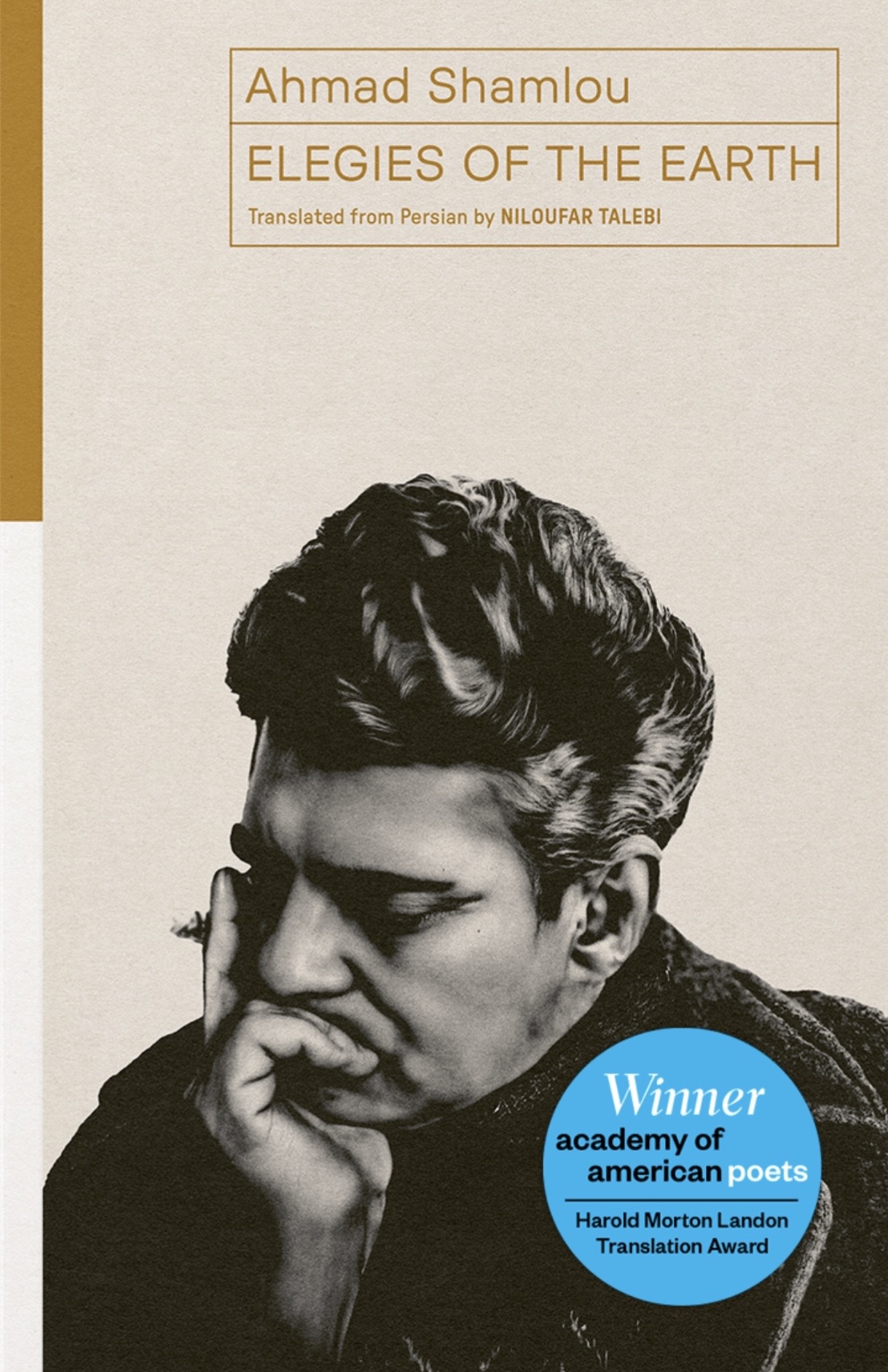
Ahmad Shamlou
Translated from the Persian by Niloufar Talebi

Aida in the Mirror

Your lips,
      tender as a poem,
turn the most carnal kisses into innocence so pure
they could make a caveman human.

Your cheeks,
                             two slant lines
steering your pride
                                          and my fate.
I, who braved the night—
defenseless, waiting for dawn—
retrieved from the brothels of trade
a noble virginity
untouched.

No one ever fought harder to destroy themselves as I have fought to live!

          □

Your eyes hold the secret of fire.

Your love is the triumph of humankind
charging into battle with fate.

Your embrace,
a close shelter to live in,
a place to die in,
an escape from the city
                                                   that with a thousand shameless fingers
condemns the sky’s purity.

          □

Mountains are born of the first stone,
humans of the first pain.

In me lived a cruel prisoner
long deaf to the sound of his chains—
until your first glance brought me to life.

          □

Tempests
                      play their majestic tune
                                                                            on a reed flute
                                                                                                             in your grand dance,
while the song of your veins
summons the eternal sun.

Let me rise
so the city streets
feel my presence.

Your hands—
a gesture of peace,
friends that help me
                                             forget enmity.

Your brow—
a high, radiant mirror
where the Seven Sisters
reach their beauty.

Two restless birds sing in your chest.
Which path will summer take
to sweeten our thirst?

Waiting for you to appear,
I stared into the mirror for a lifetime,
weeping pools and oceans.
O, fairy-like creature in human form,
whose body burns only in the flames of falsehood!
Your presence is paradise
justifying the flight from hell,
a sea that swallows me whole
to wash away my sins and lies.

And dawn awakens in your hands.

                February 1964


آیدا در آینه

لبان‌ات
به ظرافتِ شعر      
شهوانی‌ترینِ بوسه‌ها را به شرمی چنان مبدل می‌کند
که جان‌دارِ غارنشین از آن سود می‌جوید
.تا به صورتِ انسان درآید

و گونه‌های‌ات
با دو شیارِ مورّب،                         
که غرورِ تو را هدایت می‌کنند و
سرنوشتِ مرا                                                     
که شب را تحمل کرده‌ام
بی‌آن‌که به انتظارِ صبح
مسلح بوده باشم،                                      
و بکارتی سربلند را
از روسبی‌خانه‌هایِ دادوستد
.سربه مُهر بازآورده‌ام

!هرگز کسی این‌گونه فجیع به کشتنِ خود برنخاست که من به زنده‌گی نشستم

□     

.و چشمان‌ات رازِ آتش است.

و عشق‌ات پیروزی‌یِ آدمی‌ست
.هنگامی که به جنگِ تقدیر می‌شتابد

و آغوش‌ات
اندک جائی برایِ زیستن
اندک جائی برایِ مردن
و گریزِ از شهر
هبا هزار انگشت                        
به وقاحت                                                     
.پاکی‌یِ آسمان را متهم می‌کند

     □     

کوه با نخستین سنگ‌ها آغاز می‌شود
.و انسان با نخستین درد

در من زندانی‌یِ ستم‌گری بود
که به آوازِ زنجیرش خو نمی‌کرد ــ
.من با نخستین نگاهِ تو آغاز شدم

□     

توفان‌ها
در رقصِ عظیمِ تو             
به شکوه‌مندی                                            
نی‌لبکی می‌نوازند،                                                                   
و ترانه‌یِ رگ‌های‌ات
.آفتابِ همیشه را طالع می‌کند

بگذار چنان از خواب برآیم
که کوچه‌هایِ شهر
.حضورِ مرا دریابند

دستان‌ات آشتی است
و دوستانی که یاری می‌دهند
تا دشمنی
از یاد               
برده شود.                        

پیشانی‌ات آینه‌ئی بلند است
تاب‌ناک و بلند،
که خواهرانِ هفت‌گانه در آن می‌نگرند
.تا به زیبائی‌یِ خویش دست یابند

دو پرنده‌یِ بی‌طاقت در سینه‌ات آواز می‌خوانند.
تابستان از کدامین راه فرا خواهد رسید
تا عطش
آب‌ها را گواراتر کند؟

تا در آئینه پدیدار آئی
عمری دراز در آن نگریستم
من برکه‌ها و دریا‌ها را گریستم
ای پری‌وارِ در قالبِ آدمی
که پیکرت جز در خُلواره‌یِ ناراستی نمی‌سوزد! ــ
حضورت بهشتی‌ست
،که گریزِ از جهنم را توجیه می‌کند
دریائی که مرا در خود غرق می‌کند
تا از همه گناهان و دروغ
.شسته شوم

.و سپیده‌دم با دست‌های‌ات بیدار می‌شود

بهمنِ۱۳۴۲        


Song of the Greatest Wish

Ah, if freedom could sing a song
so small,
                     like a bird’s throat,
no wall left in ruins would ever stand.

It wouldn’t take years
                                                 to see that
every ruin speaks of human absence
while every presence
                                                is renewal.

     □

Like a wound
                              that bleeds
                                                        all its life,
a wound
                     that beats a dry pain
                                                                    all its life,
that opens its eyes to the world
                                                                      with a cry
and turns away from itself
                                                           in hatred—

such was the great absence,
such was the story of ruin.

     □

Ah, if freedom could sing a song
so small,
smaller even
than a bird’s tiny throat!

               January 1977
               Rome


ترانه‌یِ بزرگ‌ترین آرزو

آه اگر آزادی سرودی می‌خواند
کوچک
هم‌چون گلوگاهِ پرنده‌ئی،           
.هیچ‌کجا دیواری فروریخته بر جای نمی‌ماند

سالیانِ بسیار نمی‌بایست
دریافتن را                                         
که هر ویرانه نشانی از غیابِ انسانی‌ست
که حضورِ انسان
آبادانی‌ست.                           

□      

هم‌چون زخمی
همه عُمر                         
خونابه چکنده                                         
هم‌چون زخمی
همه عُمر                        
به دردی خشک تپنده،                                       
به نعره‌ئی
چشم بر جهان گشوده                  
به نفرتی
از خود شونده، ــ               
         
غیابِ بزرگ چنین بود
.سرگذشتِ ویرانه چنین بود

□      

آه اگر آزادی سرودی می‌خواند
کوچک
کوچک‌تر حتا             
از گلوگاهِ یکی پرنده!                                    

دیِ۱۳۵۵
رم 

Feature Date

Series

Selected By

Share This Poem

Print This Poem

Black-and-white formal headshot of Ahmad Shamlou

One of the most influential cultural figures of Iran in the latter half of the twentieth century, Ahmad Shamlou (1925–2000) authored more than 70 books, including 18 volumes of poetry. Sometimes known by his pen name, Alef Bamdad, Shamlou’s innovations brought on a transition from classical forms to free verse and made him a flag-bearer of the Iranian vanguard, which included the poet Forugh Farrokhzad. Shamlou’s synthesis of Eastern and Western poetic traditions and high and low styles democratized the literary mode without simplifying it. Championing the “everyman,” Shamlou’s work reflects his deep engagement with social issues and the human condition.

Color headshot of Niloufar Talebi, this week's essayist, and translator of the work of Ahmad Shamlou

Niloufar Talebi is an author, translator, and interdisciplinary artist. She has spent most of the past two decades working on projects related to Ahmad Shamlou. Elegies of the Earth is part of this suite of projects that includes the memoir, Self-Portrait in Bloom (l’Aleph), an opera (Abraham in Flames, with composer A. Vrebalov), the video-poem Funeral Address, and a TEDx Talk. Talebi is the editor and translator of Belonging: New Poetry by Iranians Around the World (North Atlantic Books), and her multimedia projects include ICARUS/RISE, The Persian Rite of Spring, Fire Angels, The Plentiful Peach, and Epiphany. Talebi is a Fulbright Scholar, and the recipient of translation honors including a National Endowment for the Arts Translation Fellowship and the Academy of American Poets 2026 Harold Morton Landon Translation Award for her translations of Shamlou’s poetry.

Winner of the Academy of American Poets 2026 Harold Morton Landon Translation Award

“With her judicious selection and elegant translations, Talebi introduces Anglophone readers to the ‘towering vision’ of Iranian modernist Ahmad Shamlou, whose radical free verse reshaped twentieth-century Persian poetry. Like Giuseppe Ungaretti, Shamlou looked abroad to the French surrealists and symbolists, departed from the classical forms of his own tradition, and created new formal and tonal possibilities. Like Mahmoud Darwish, he invested language with an ethical urgency, saw poetry as an act of resistance, and became the conscience of a nation.”
—Geoffey Brock

“Niloufar Talebi has successfully undertaken the nearly impossible task of translating Ahmad Shamlou’s poetry, opening his words to a generation of English-language readers. Shamlou’s voice, at once elevated and vernacular, classical and modern, is notoriously difficult to render into English. Yet Talebi’s years of deep engagement with Shamlou’s poetry breathe ‘fresh air’ into the poems of this iconoclastic, masculine author. Her thoughtful selection is further enhanced by judicious notes and references that deepen the reader’s understanding. What better way to mark the centennial of this towering Iranian poet than with these lovingly crafted, vivid translations.”
—Kaveh Bassiri

Poetry Daily Depends on You

With your support, we make reading the best contemporary poetry a treasured daily experience. Consider a contribution today.